PEM Electrolysis: Iridium & Platinum Catalysts for Hydrogen Generation
Precious metal solutions around hydrogen generation with PEM water electolysis and other methods.
PEM Electrolysis: Catalysts for Electrodes
Alkaline and solid oxide electrolysis are two alternative technologies, whereas proton exchange membrane (PEM) electrolysis is increasingly gaining traction. It is expected that PEM electrolysis will play an important role in the transition towards a hydrogen economy.
Due to their excellent dynamic response time PEM electrolyzers are a perfect solution for storing curtailed, excessive renewable energy. Moreover, the advantage of high current density operation allows production of more Hydrogen from smaller set-ups compared to alkaline electrolysis. Due to the high-pressure outlet of hydrogen, PEM electrolyzer technologies are directly connectable to gas stations.
The production of green hydrogen through PEM electrolysis of water is a very suitable concept to enable storage, transportation and deployment of the produced renewable energy. Scale-up and cost reduction of green hydrogen represent the essential steps towards reducing the world´s carbon dioxide footprint.
PEM electrolyzer anode catalyst portfolio
The Heraeus’ product portfolio includes electrolyzer catalysts with different precious metal loadings. In order to find the perfect solution to your needs, we are able to test in our fully equipped on-site laboratories and test center.
In order to find the perfect solution to your needs, we are able to test in our fully equipped on-site laboratories and test center.
|
Catalyst |
Actydon | Ir 100 B | Actydon | Ir 80 X | Actydon | Ir 80 XSP | Actydon | Ir S | Actydon | Ir Ru |
|---|---|---|---|---|---|
| Features | High metal purity | High surface area |
Smaller agglomerate size for better processability |
High mass activity |
With stabilized Ru for high activity and Ir saving |
| Ir content [%] | 100 | 79 – 83 | 79 – 83 | 10 – 50 | 14 – 80 |
|
Ir crystallite size [nm] |
3 | 2 – 4 | 2 – 4 |
n.a. |
1.8 – 5.5 |
| BET surface area [m²/g] | >20 | >200 | >160 |
20 – 100 |
150 – 190 |
| Mass activity @ 1.45 Vcell (IR-free) [A/g] |
55 | 86 | 86 | 138 – 460 | 177 – 880 |
| online available | online available | Request More Information |
online available |
Request More Information |
Save 50–90% on Iridium compared to the market’s benchmark
We achieved breakthrough innovation by developing PEM electrolyzer catalysts with significantly reduced precious metal loading. Actydon | Ir S, low loading supported catalyst, will provide you with an up to three times higher catalyst performance while reducing the precious metal loading in the CCM by 50–90 % in comparison to earlier generations.
The latest Heraeus innovation is a ruthenium-based catalyst for PEM water electrolysis. Alongside iridium, ruthenium also catalyzes the Oxygen Evolution Reaction (OER), which is the critical part in PEM electrolysis. Ruthenium possesses superior catalytic activity to iridium but lacks stability in the challenging conditions of a PEM electrolyzer stack.
The Heraeus concept solves this problem by combining both ruthenium and iridium oxide in a novel manner, enhancing stability while maintaining the increased catalytic activity provided by ruthenium.
This ruthenium-iridium oxide material class delivers an unprecedented activity boost. The catalyst can achieve up to 50 times higher mass activity than iridium oxide, and unlike ruthenium oxide alone, it remains stable in operational conditions. Accelerated degradation tests confirmed its stability after 30,000 cycles, presenting activity loss significantly lower than for ruthenium oxide and on par with iridium oxide.
The implementation of low-lowding iridium electrolyzer catalysts will be an important factor for the hydrogen ramp up.
PEM electrolyzer cathode catalyst portfolio
The Heraeus’ product portfolio includes electrolyzer catalysts with different precious metal loadings. In order to find the perfect solution to your needs, we are able to test in our fully equipped on-site laboratories and test center.
| Catalyst | Actydon | Pt C240 | Actydon | Pt C700 | Actydon | Pt M700 | Actydon | Pt 100 B |
|---|---|---|---|---|
| Description | 20 to 50 wt.% Pt on medium surface area carbon |
20 to 60 wt.% Pt on high surface area carbon |
40 to 50 wt.% stabilized Pt on high surface area carbon |
High SA platinum powder ( > 97 wt.% Pt) |
| Highlight | Highly accessible Pt particles | Optimized Pt surface utilization High ECSA | Improved Pt dissolution stability | High conductivity |
| ECSA | > 60 | > 70 | > 60 | 23– 25 |
| online available | online available | Request More Information | online available |
Your Expert for Catalysts for Electrodes

Alkaline Water Electrolysis (AWE)
Most of the hydrogen that is produced today is coming from an Alkaline Water Electrolyzer (AWE). This technology has been around since decades and typically is not based on precious metals. In many cases it has been and still is the method of choice, while meanwhile some fields are emerging, where PEM electrolysis shows advantages, e.g. when it comes to high fluctuation of electrical input as typical especially for green energy.
As said, typically AWE is not involving precious metals. However, due to disturbances in the supply of some of the materials, including zirconia and nickel, also alternative materials are considered, some of them involving platinum group metals.
If you are interested exploring the contribution of possibilities for precious metals for AWE electrolysis our experts will be happy to assist.
Your Expert for Alkaline Water Electrolysis

High Temperature Electrolysis (SOEC)
In SOE (solid oxide electrolysis), an SOFC (solid oxide fuel cell) runs in reverse mode. Instead of using the fuel cell to generate electricity from hydrogen, a voltage is applied and water vapor is split into hydrogen and oxygen. The actual cell can therefore be used for both purposes: to generate hydrogen as well as to use the hydrogen later for electricity recovery.
Precious metals are rarely used in the SOEC (Solid Oxide Electrolyser Cell) or SOFC itself. However, they are often used in connection with industrial processes that generate waste heat, because the required high operating temperatures are then already available. In these processes, components containing precious metals are then often involved elsewhere.
For fuel processing Heraeus supplies catalytic solutions for Reforming, Water Gas Shift or Gas Purification e.g. by Preferential Oxidation (PROX) or Selective Methanation – all tailored to the needs of an independent decentralized system operation. Please see our gas purification page or on our solutions to a fuel cell operation for further HeraPur® purification technologies.
As with other types of electrolysis, the hydrogen can be easily purified from unwanted components in SOE. You can find out more about this under Hydrogen Purification.
Your Expert for High Temperature Electrolysis (SOEC)

PGM Salts and Solutions for Electrolyzer Applications
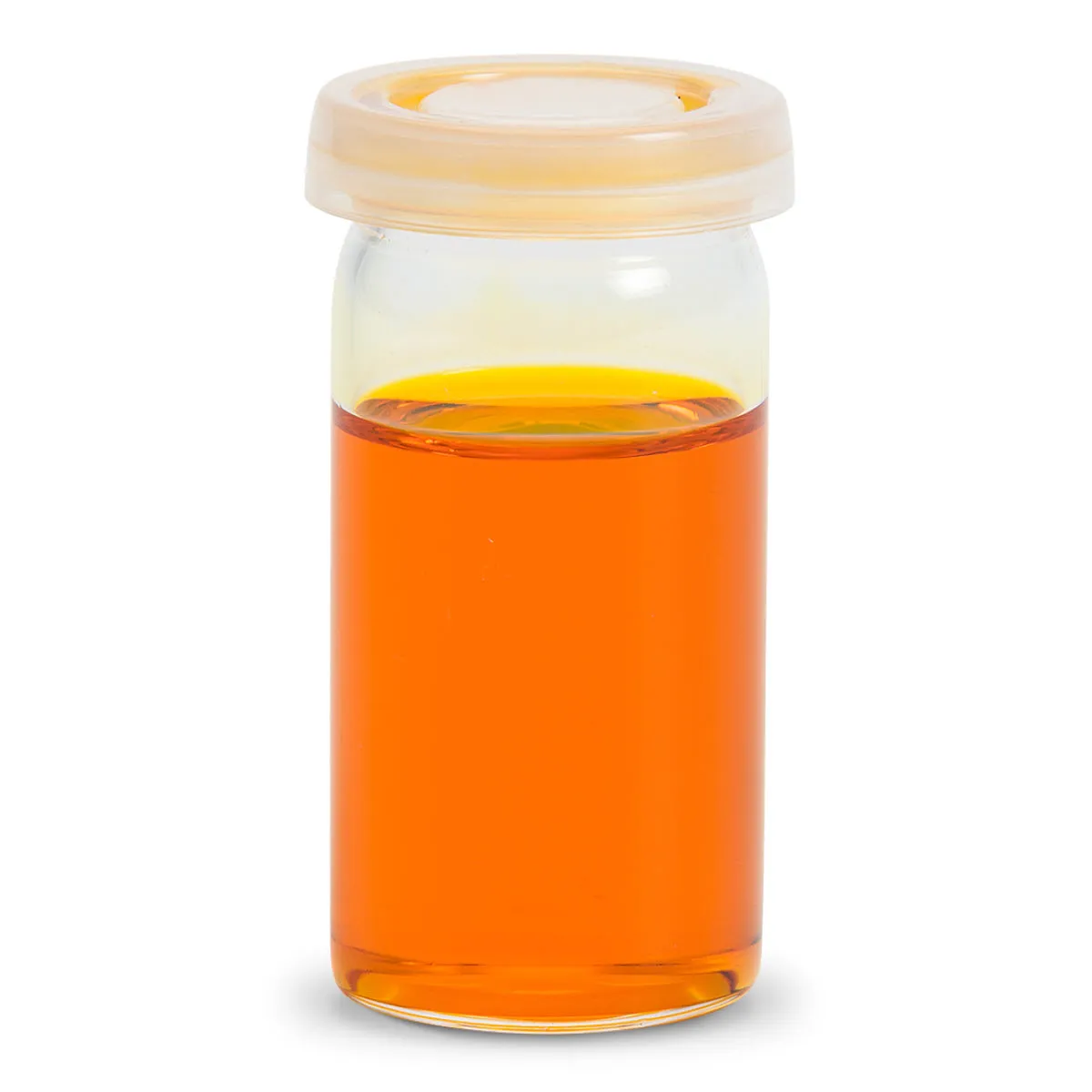
Platinum Group Metals products are used in a variety of applications around the stack, for example as precursor for catalyst production, in platinized PTLs (porous transport layers) or in catalyst coated substrates (PTE and GDE).
PGM salts and solutions are used as precursors in a variety of coating methods. They enable the functionalization of substrates and ensure enhanced durability and conductivity of components, resulting in increased operational security.
The following materials are most commonly used specifically for electrolysis applications:
The following materials are most commonly used specifically for electrolysis applications:
Your Expert for PGM Salts and Solutions for Electrolyzer Applications
Read As Well