We often encounter silver in everyday life in the form of jewelry, silverware, or coins. For industry, however, the precious metal is indispensable primarily because of its unique material properties. It is highly workable and conducts electricity better than any other metal. As a result, silver plays an important role in a wide range of products and technologies - from electrical contacts to renewable energy applications.
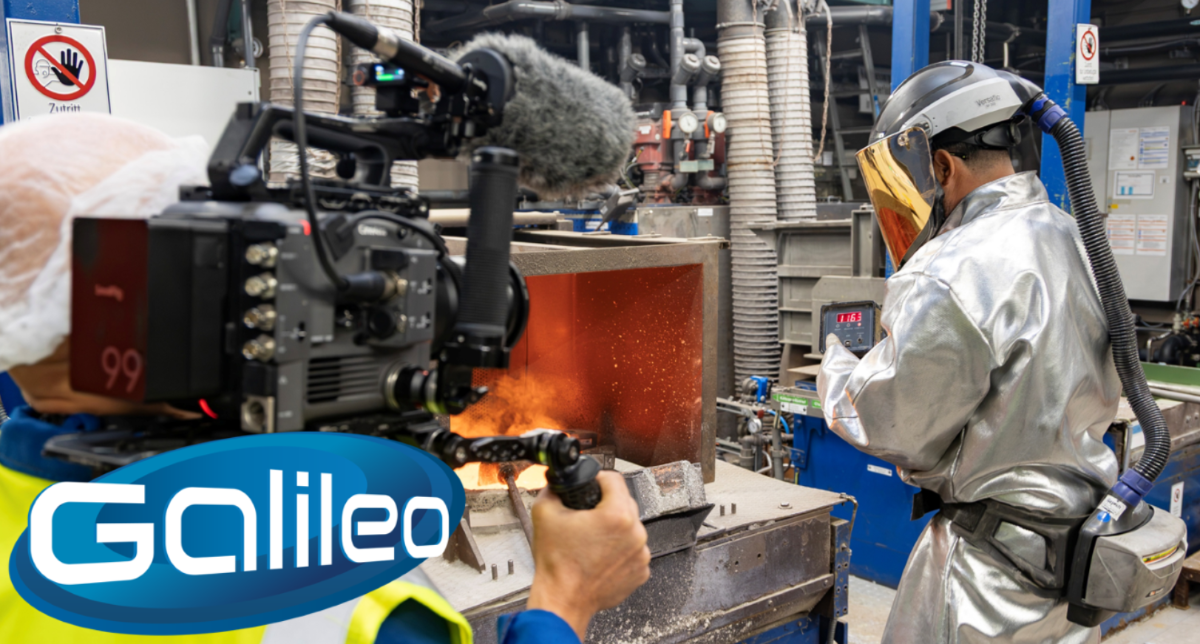
The Galileo report follows silver on its journey through several production areas at Heraeus Precious Metals. The central question: How can silver that has already been used become a high-quality raw material for industry once again?
Bringing Silver Back Into the Circular Economy
One important source material for silver recycling at Heraeus Precious Metals is spent catalysts from the chemical industry. Fine silver alloys are deposited on an alumina support. Once a catalyst reaches the end of its service life, the silver it contains can be recyceled.
First, the incoming materials are clearly identified, inspected, and prepared for further processing. The silver is then separated from the support material in a wet-chemical process. This keeps the valuable raw material in circulation instead of losing it after a single use.
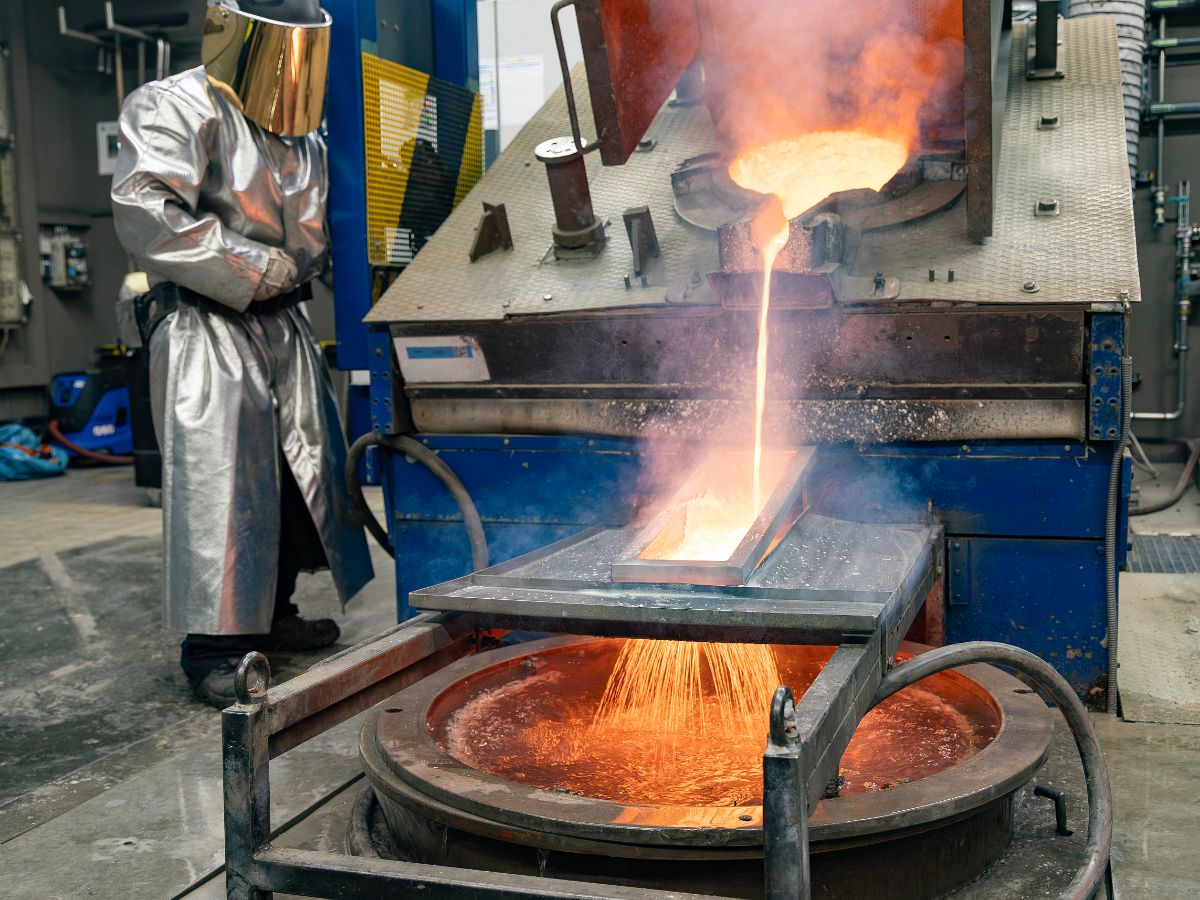
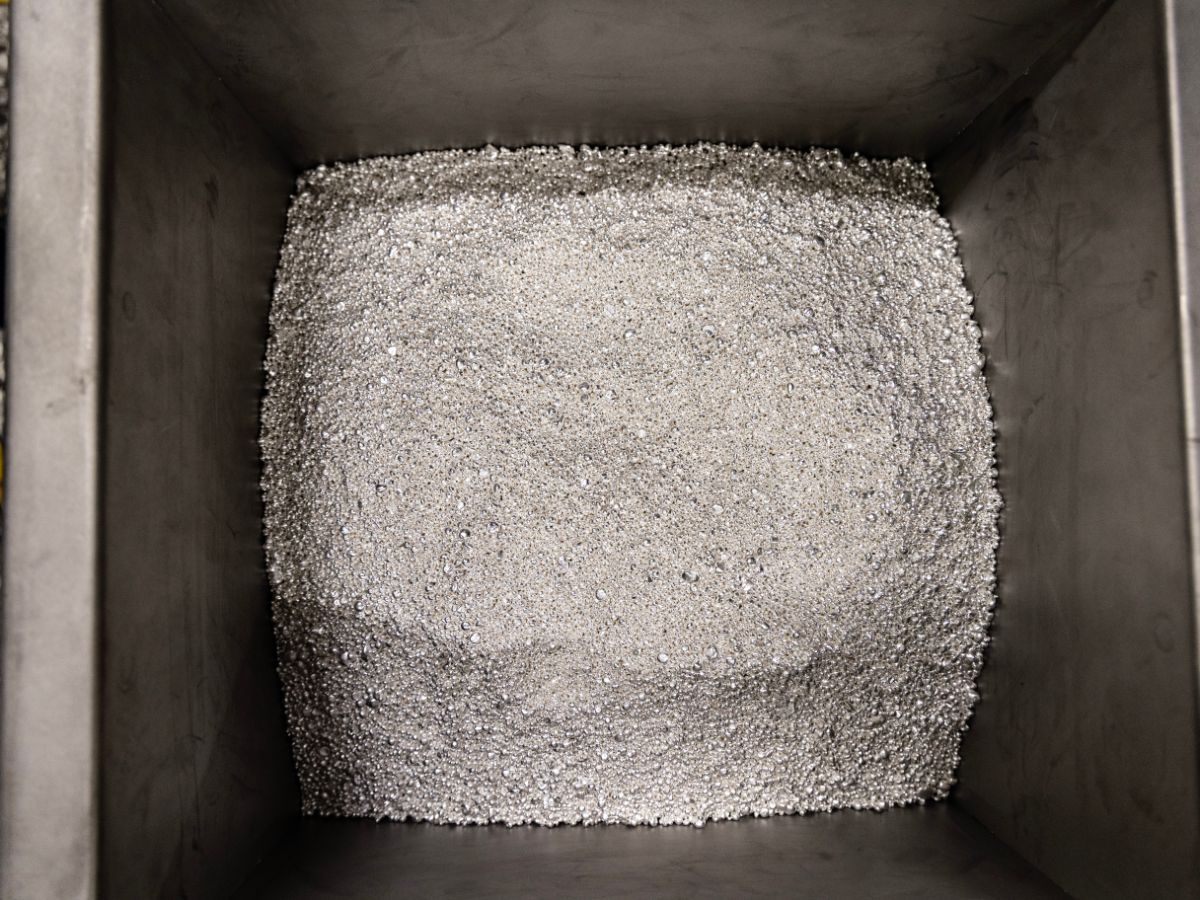
After several processing steps, the silver initially takes the form of a wet silver sponge. It is washed, dried, and then melted. Pouring the molten silver into water creates small silver granules. In this form, the recycled precious metal can be easily stored, transported, and processed for specific purposes in the next production steps.
Turning Granules Into Wires and Other Semi-Finished Materials
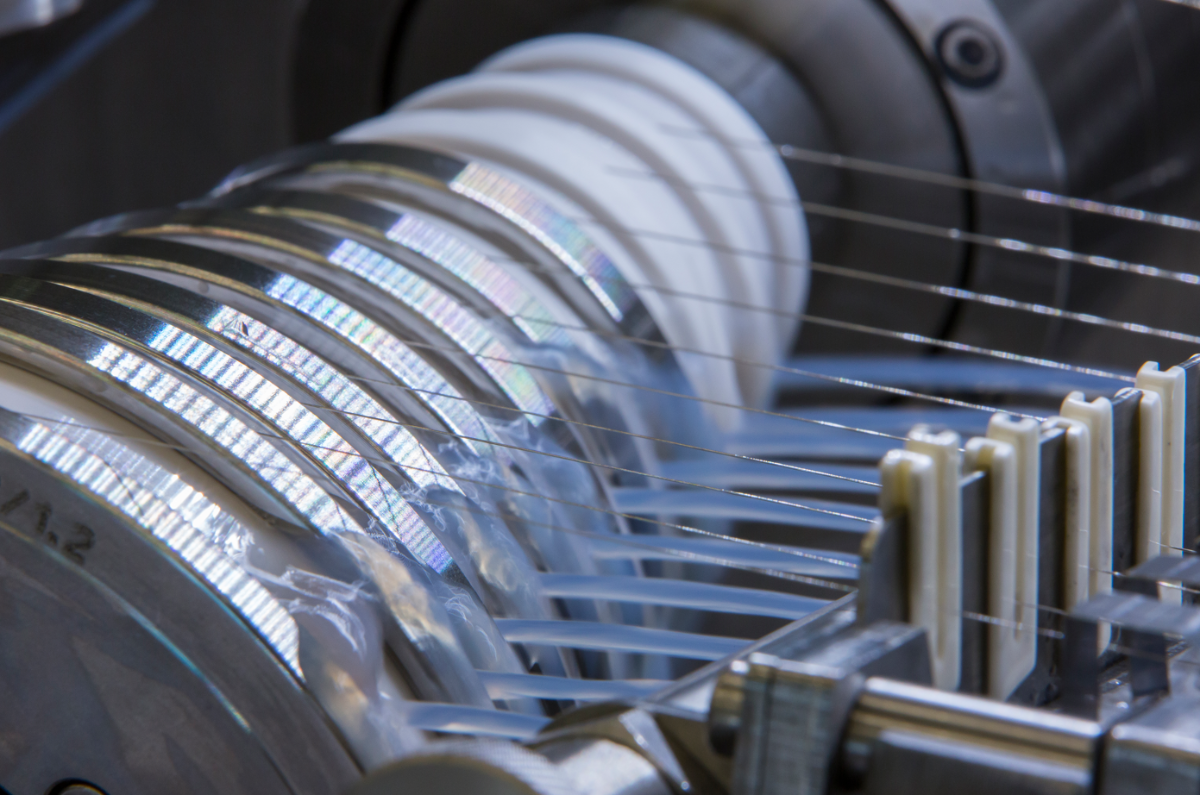
Heraeus Precious Metals also opened the doors to additional manufacturing areas for Galileo. There, a new chapter in the precious metal’s life cycle begins: The silver granules are melted again and cast into a bar. Depending on the application and the customer's order, rolling and drawing gradually produce an increasingly thinner profile and, ultimately, wire - which is just one of many possible semi-finished materials.
The recovered silver can be used to produce wires, electrical contact points, brushes, and slip rings, among other components. These semi-finished materials are used in applications such as wind turbines, where they help ensure the reliable transmission of electrical power and signals. Silver-containing contacts also perform important functions in safety-critical applications such as airbags.
The journey from an old silver spoon to a wind turbine is therefore more than an illustrative thought experiment: Silver can be recovered repeatedly and used in new applications. Precise recycling and refining processes - and an understanding of the material properties required for the final product - are essential to making this possible.
Expertise in Front of and Beside the Camera
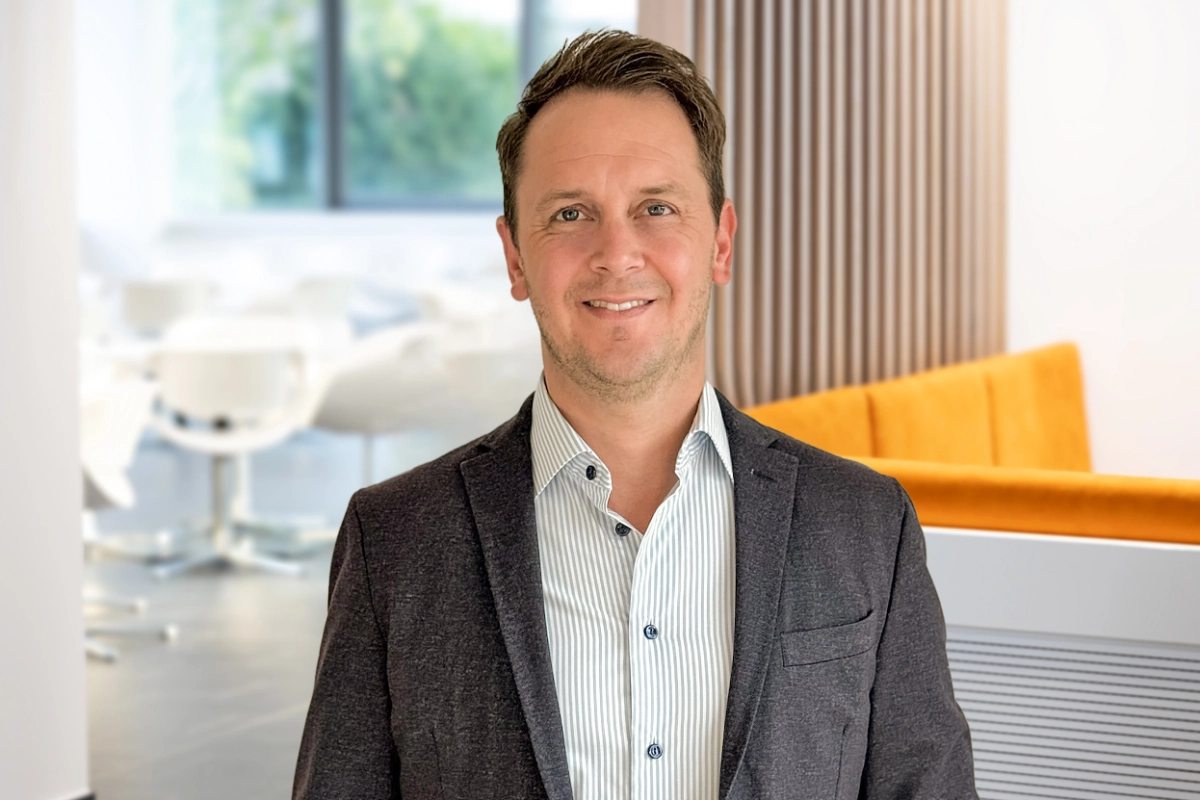
Christoph Schultheis, Head of Operations Chemicals Hanau, and Patrick Prielipp, Head of Operations Functional Materials Hanau, accompanied the Galileo team. Together with employees in the production areas, they demonstrated the many individual steps and the extensive experience required to transform different silver-containing materials into high-quality industrial products.
“It was exciting to present our area from a completely different perspective. This gives people outside the company an opportunity to understand how much expertise and care go into our manufacturing steps,” says Christoph Schultheis.
Patrick Prielipp also emphasizes the value of taking viewers behind the scenes: “The production steps behind the creation of our products are rarely visible to the public. This time, we were able to show what our employees accomplish every day, what makes us especially proud, and how our products contribute to society.”
The day of filming made one thing clear: Behind this seemingly unassuming precious metal are complex processes, modern facilities, and, above all, people with extensive experience and expertise. Together, they make it possible to use silver across many life cycles and turn it into products for technologies that shape our daily lives and support the transformation of industry.
Galileo Report on ProSieben
The report was air on ProSieben’s “Galileo” on November 24, 2026, at 7:05 p.m. It is also expected to be available afterward on the Joyn media library (starting at approximately 24 minutes and 55 seconds) and YouTube.